
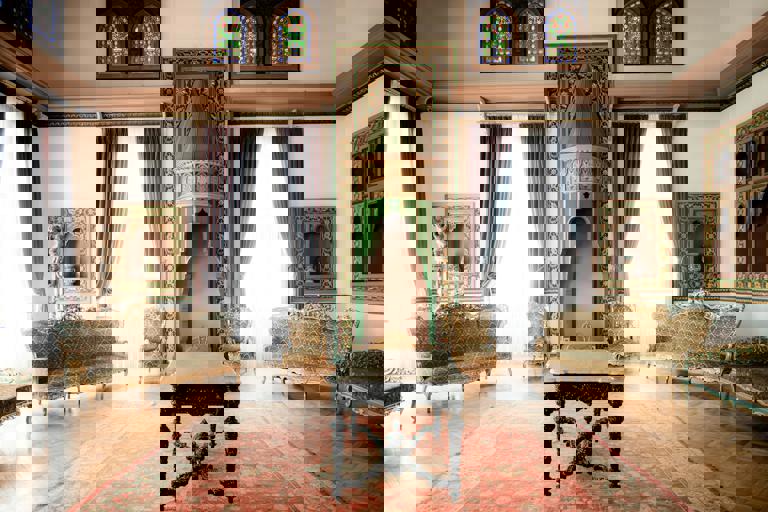
In the heart of Australia’s bustling inner-city suburbs, a centuries-old craft is experiencing an exciting renaissance. Stained glass, once the pride of Victorian and Federation-era terrace homes, is staging a dramatic return. Local artisans, inspired by a blend of nostalgia and contemporary design trends, have begun refurbishing historic façades with vibrant panes. This stained glass revival is not only preserving heritage but also breathing new life into the architectural fabric of these neighbourhoods.
Homeowners are playing a major role in the resurgence. Many have grown increasingly interested in restoring the unique character of their terraces, viewing stained glass as a crucial feature. "When you walk past a terrace with stained glass, it instantly stands out. There’s a sense of history and artistry," explains designer Paul Nguyen, who has overseen several refurbishments. This renewed enthusiasm reflects a broader movement aiming to embrace the city’s historical identity while finding space for innovation.
Artisans approach each restoration project with a delicate balance of respect and creativity. They study fragmented or faded original windows, sometimes sourcing archive photographs to faithfully recreate lost patterns and hues. Others seize the opportunity to introduce modern motifs—geometric shapes, abstract art, or even bespoke family crests—crafted using traditional methods. This blend of old and new ensures each terrace tells a story that bridges the past with the present.
The techniques employed are time-intensive and require specialist knowledge. Traditional stained glass involves cutting coloured glass to specification, then painting, firing, and leading the pieces in intricate designs. Many local artisans have trained internationally, bringing advanced skills back to Australia’s urban terraces. "There’s an art and science to it. Precision matters, but creativity transforms the finished work," notes Emma Bright, a lead artisan based in the inner city.
Economic factors are also at play. The restoration and installation of stained glass is typically more expensive than standard glazing, due to the skilled labour and materials required. However, homeowners see value not just in aesthetics, but in increased property value and kerb appeal. According to recent real estate data, properties with original or expertly restored stained glass accents can command a price premium of up to 15%, particularly in heritage-listed neighbourhoods.
This flourishing trend has caught the attention of local councils and heritage bodies. Restoration projects often intersect with regulations designed to protect the architectural integrity of historic precincts. In many cases, artisans must collaborate closely with authorities to ensure that new works remain in harmony with neighbourhood guidelines. This partnership helps maintain a cohesive streetscape, while still allowing for a degree of creative flair in individual residences.
Stained glass also resonates with broader cultural themes, including sustainability. Many artisans salvage and repurpose old glass panels found during refurbishments, reducing waste and conserving original materials. This practice aligns with a growing societal preference for eco-friendly home improvements. For residents, stained glass offers a tangible connection to their suburb’s history, melding sustainable practice with aesthetic enrichment and community pride.
Looking ahead, industry observers believe the stained glass revival will continue to gather momentum. Workshops, exhibitions, and even short courses have emerged in response to public curiosity about the craft. As inner-city suburbs evolve, they do so with an eye on tradition—finding in stained glass a means to celebrate both heritage and innovation. For many Australians, these luminous artworks are more than mere decoration—they are shining symbols of the city’s enduring spirit and evolving identity.