
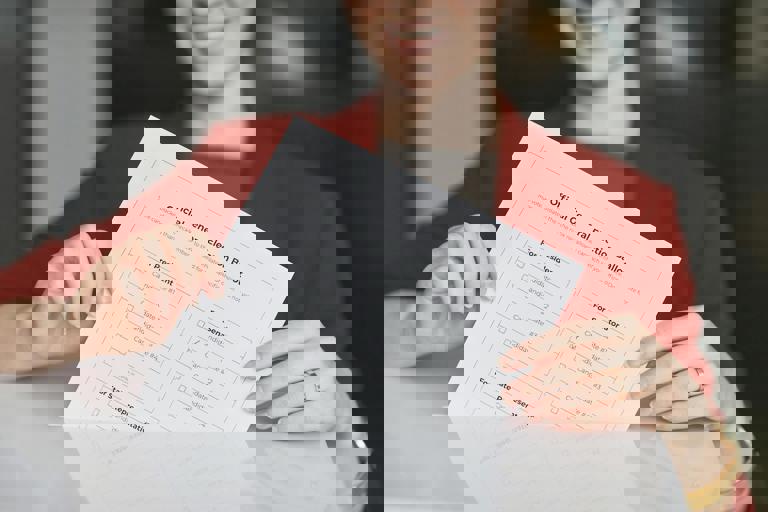
A recent proposal to lower the minimum voting age in Australia has ignited a lively nationwide discourse about the role of youth in modern democracy. Politicians, legal experts, and youth advocates are engaged in heated debates after the federal government indicated it would review the current voting age of 18, considering whether to extend voting rights to citizens as young as 16. This conversation draws attention to fundamental questions about citizenship and representation.
Supporters of the proposed change argue that today’s youth are more politically aware and better informed than ever before. According to campaigners, issues such as climate change, housing, and mental health directly impact younger Australians, making their voices essential in decision-making. “Sixteen- and seventeen-year-olds are actively participating in our society – working, paying taxes, and even driving,” says youth rights advocate Sarah Lim. “They deserve a seat at the table.”
On the other hand, critics question whether lowering the voting age would improve democratic engagement or merely dilute the quality of electoral participation. Some legal experts caution that cognitive development and political maturity are important when considering voting rights. Professor Bill Sanders, a constitutional law scholar, says, “The science on adolescent decision-making is still debated. Lawmakers must weigh both civic inclusivity and potential risks carefully before changing the status quo.”
International precedents are often cited by both sides in the ongoing debate. Several countries, including Austria and parts of the United Kingdom, already allow 16- and 17-year-olds to vote in certain elections. Research on these cases suggests modest increases in youth turnout when paired with strong civics education, though critics note that overall participation does not always rise as expected. This data fuels arguments on both sides of the Australian conversation.
Key political figures have also entered the fray, with some expressing cautious optimism and others urging restraint. Opposition leader Rachel Forbes called for a “bipartisan, evidence-based process,” emphasizing that changing electoral laws requires broad community support. Meanwhile, the Greens have staunchly backed the change for years, asserting that youth enfranchisement is crucial for a vibrant democracy. This dynamic sets the stage for contentious parliamentary hearings ahead.
The government has announced it will commission a comprehensive inquiry to examine the practical and legal aspects of lowering the voting age. The committee will invite public submissions and consult with educators, psychologists, legal professionals, and representatives from youth organizations. Early indications suggest that the inquiry will analyze logistics, including updating enrolment processes and adapting polling station protocols for younger voters, to ensure a smooth transition if the law changes.
Public opinion on the matter remains mixed, with recent polls revealing a nation somewhat divided on the issue. A national survey conducted in March found that 48 percent of respondents supported lowering the voting age, while 46 percent were opposed, with the remainder undecided. Support tended to be stronger among younger adults, while older Australians expressed more skepticism, underscoring the generational element in this debate.
Youth-led organizations are at the forefront of advocacy efforts, launching awareness campaigns and hosting town halls to rally support. Many young activists view the potential shift as an acknowledgement of their stake in society’s future. 17-year-old campaigner Jade Elliot remarked, “We’re tired of being told our opinions don’t matter. Lowering the voting age is a step toward recognising our rights and responsibilities as citizens.”
Educators have also weighed in, noting the relationship between political education and youth engagement. Some teachers contend that integrating more robust civics lessons into school curricula could help young people make informed choices at the ballot box. There are calls for the government to invest in educational programs alongside any legal changes, to ensure that lowering the voting age leads to meaningful participation rather than mere numbers.
Legal and administrative challenges may present significant hurdles for implementing such a reform. Updating voter registration databases, ensuring access to identification for prospective young voters, and addressing potential issues of coercion or influence are all considerations being discussed. The Australian Electoral Commission has voiced support for reviewing logistical processes in anticipation of possible changes, highlighting the need for a meticulous, transparent approach.
Critics also emphasize the historical importance of maintaining consistency in democratic thresholds. The age of 18 became the national standard during the 1970s, following debates about the rights and responsibilities conferred at adulthood. Some opponents fear that reducing the voting age could prompt calls for similar changes in other areas, such as jury service or legal adulthood, which would have wider social implications.
The upcoming parliamentary inquiry is expected to release preliminary findings within six months, followed by a report to Parliament if substantial changes are recommended. Lawmakers are urging citizens to participate by submitting opinions and evidence. “This is a crucial decision for our democracy,” said Home Affairs Minister Linda Werner. “It’s vital that we listen to what people from all walks of life have to say before any legislative steps are taken.” She stressed the importance of transparency and dialogue in the process going forward, urging calm and thoughtful engagement from all stakeholders involved in the debate about Australia’s voting future.