
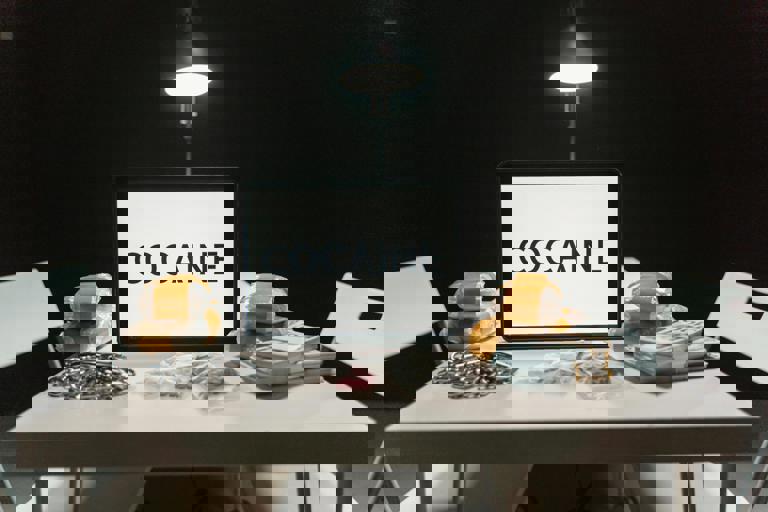
In a sweeping operation that unfolded over the weekend, Australian law enforcement agencies coordinated a large-scale crackdown on illicit tobacco rings operating in suburban areas. Dozens of individuals were arrested as part of the effort, which authorities describe as one of the most significant blows to underground tobacco trafficking in recent years. The coordinated raids mark a determined push to address the growing black-market trade that has long evaded detection and prosecution.
This recent crackdown is part of a broader campaign led by federal and state authorities, which has been gathering momentum in response to mounting evidence of organized networks profiting from illegal tobacco sales. Police, border security, and tax officials joined forces, executing simultaneous warrants at multiple residential and commercial locations. Law enforcement sources cited sophisticated methods employed by traffickers, including concealed storage and encrypted communications, making the task particularly challenging.
According to government estimates, the illicit tobacco market costs Australia over $800 million in lost tax revenue annually. This money, which could otherwise support essential public services such as healthcare and education, finds its way into criminal enterprises. The task force leader, Detective Inspector Angela Morris, stated, 'We’re not just seizing contraband; we are cutting off a crucial funding source for organized crime groups.'
During the raids, authorities seized large quantities of contraband tobacco, cash, and equipment used in the production and packaging of counterfeit products. In several instances, raid teams discovered professionally set up production lines capable of churning out thousands of cigarettes per hour. Investigators believe that unraveling these operations will provide critical intelligence on the broader supply chain, which often extends beyond national borders.
One surprising outcome of the operation was the diverse background of those arrested, ranging from minor distributors to individuals believed to be the masterminds behind the broader trafficking ring. Some suspects were linked to known syndicates with prior histories in drug smuggling and other forms of organised crime. Charges laid so far include possession of illegally imported tobacco, tax evasion, and conspiracy to defraud the Commonwealth, with more expected as investigations proceed.
Community reaction to the crackdown has been largely positive, with local residents expressing relief at the authorities’ action. ‘For years, we’ve seen strange activities late at night around some warehouses,’ said local shop owner Tara Singh. ‘It’s reassuring to know the police are addressing these concerns, as illicit tobacco also brings other unwanted elements into our neighbourhoods.’ Business groups echoed these sentiments, citing unfair competition faced by legitimate retailers.
The health implications of illicit tobacco are another pressing concern addressed by public officials. Counterfeit cigarettes often lack the regulatory oversight required for legal products, in some cases containing higher levels of harmful substances. Dr. Mark Evans from the Australian Council on Smoking and Health noted, 'Illicit tobacco poses added health risks. Consumers may unwittingly expose themselves to dangerous toxins, compounding the existing risks associated with smoking.'
From an enforcement perspective, authorities face significant obstacles in curbing this shadow economy. Smuggling routes are continually shifting, and syndicates adapt to newly implemented controls. Custom officials have called for increased international cooperation, citing evidence that a substantial portion of contraband enters Australia via shipping routes from Southeast Asia and Eastern Europe. Enhanced surveillance and intelligence-sharing are seen as key to future success.
Technology is playing a growing role in the fight against illegal tobacco. Authorities are increasingly relying on advanced tracking systems, data analytics, and AI-powered screening tools to detect suspicious shipments and monitor financial transactions associated with the illicit trade. A spokesperson for the Australian Taxation Office highlighted recent investments in these areas, stating, 'Modern technology has become essential in identifying patterns and interdicting illegal operations before they reach consumers.'
The operation also drew attention to the challenges faced by legitimate businesses inadvertently caught up in the trade. Some shop owners, especially those new to the industry, may unknowingly stock illegal products supplied by persuasive distributors. Consumer advocacy groups are urging enhanced public education campaigns to inform both retailers and the general public about the risks and legal consequences of purchasing or selling illicit tobacco.
Looking ahead, authorities have promised that the recent crackdown is just the beginning of a sustained campaign targeting illicit tobacco networks. Information uncovered from this operation is expected to lead to additional arrests and the dismantling of more extensive criminal ventures. A senior investigator added, 'Disrupting these organisations at every level – from importers to street-level sellers – will remain a top priority for law enforcement agencies moving forward.'
Experts warn, however, that reducing demand for illegal tobacco will also require broader societal efforts. Strategies under consideration include public messaging campaigns, stricter penalties, and support for smokers seeking to quit. By tackling both the supply and demand sides, officials hope to undermine the economic incentives that fuel the underground market. Analysts anticipate ongoing reviews of legislative frameworks to ensure they remain effective in a rapidly evolving criminal landscape.